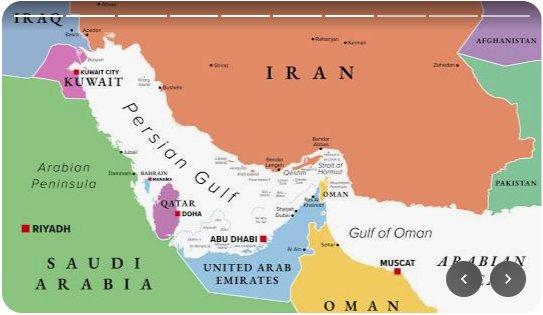
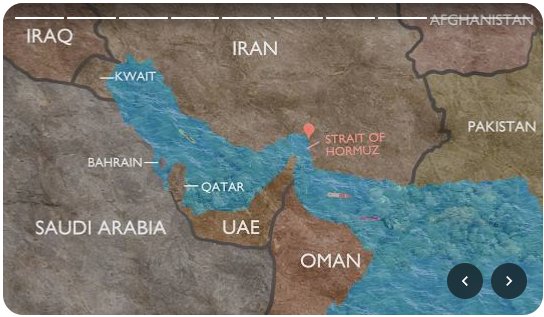
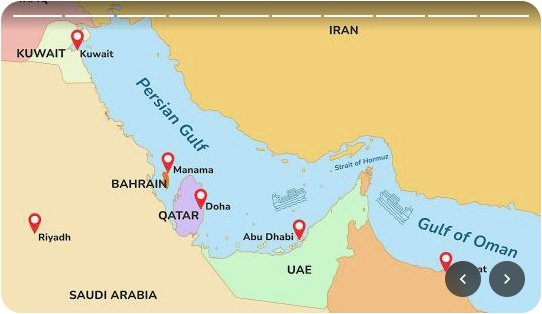


UAE-OMAN HOMUS SOLUTION
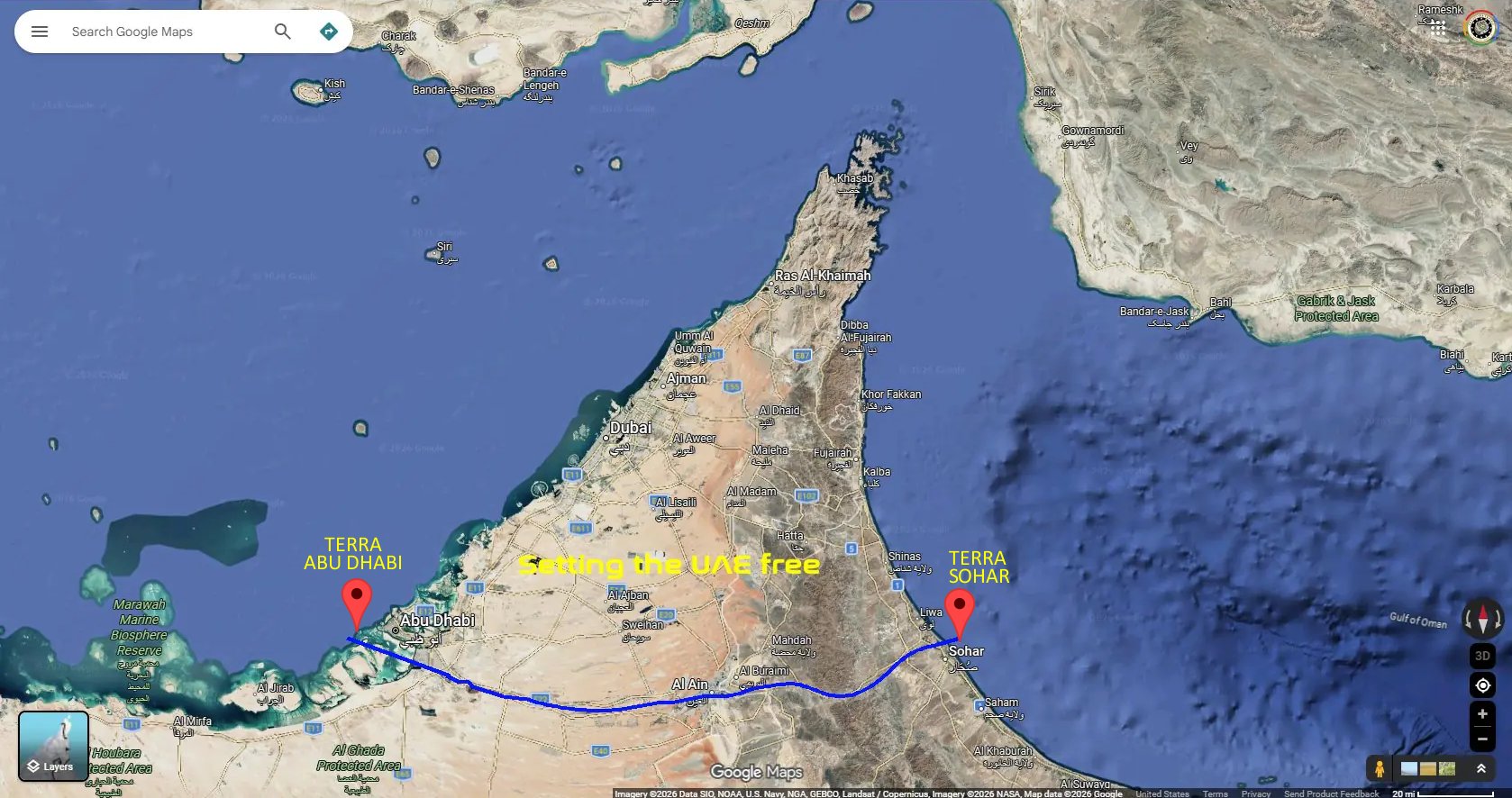
UAE-OMAN Canal
A 5,000 year old problem with owners that included:
1: Abbasid Caliphate
2: Kingdom of Hormuz (11th Century – 1622)
3: Portuguese Empire (1515–1622)
4: Safavid Persian Empire (1622–1700s)
5: Ottoman Empire (Sporadic)
6: Brittish Empire (1800s-1944)
7: American Empire/IRAN (1945-current)
The TRUMP solution!!! Suggested TERRA plant 7+8
USA & Allies should take note, because not even Alexander the Great, saw this. These TERRA plants must be setup, and the 5,000 year squeeze and piracy at the Strait of Hormuz has to end by building The UAE-OMAN Canal. WE can secure Earth global bloodflow for all commerse. This is a INTERNATIONAL SECURITY crisis. America First Forever.
GEOPOLITICAL BRIEFING: THE UAE-OMAN CANAL
Sovereign Initiative: WEHFELS Logistics & Energy Security Directive
Classification: Public White Paper – Strategic Infrastructure Analysis
Core Objective: Establishing a Double-Track Maritime Bypass to Secure Global Energy Commerce and Mitigate the Strait of Hormuz Choke Point.
The Strategic Necessity
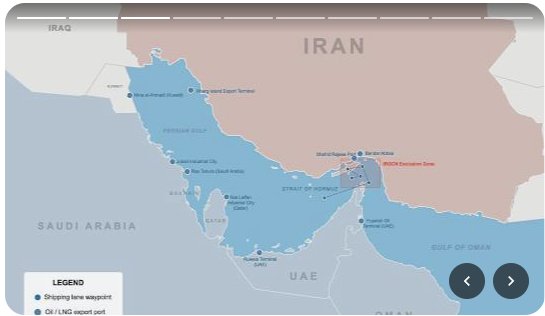
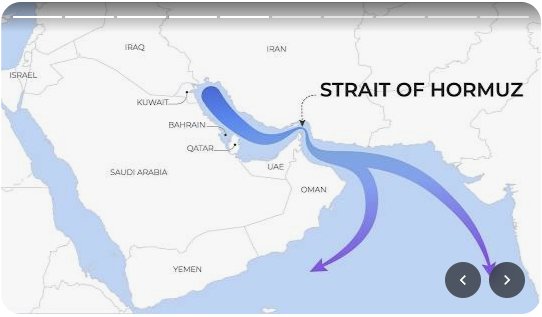
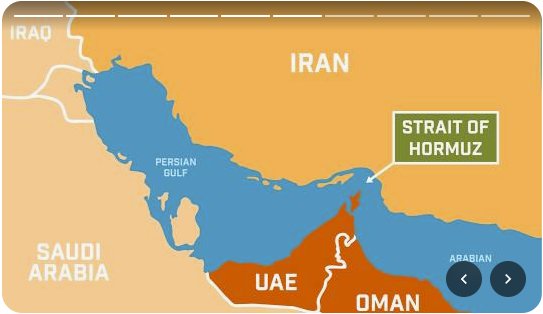
The Strait of Hormuz remains the most vulnerable maritime choke point on the planet, exposing global commerce to immediate systemic disruption, piracy, and regional energy blockades. The deployment of a sovereign, sea-level, double-track bypass canal through the UAE and Oman is the definitive engineering solution to stabilize international trade lines permanently.
Macro-Infrastructure Configuration
- The Channel Architecture: A projected 150–200 mile double-track (two-way) deep-water channel designed to support continuous, zero-latency transit for ultra-large crude carriers (ULCC) and maritime transport fleets.
- Sovereign Energy & Resource Integration: Direct integration of localized fuel-less permanent magnetic energy arrays and advanced molecular water recovery systems to provide independent power for lock mechanisms, automated dredging arrays, and regional stabilization.
- Strategic Stabilization: Establishing independent, automated security infrastructure zones along the canal perimeter to guarantee the asset remains an impenetrable international sanctuary for global commerce.
Sovereign Macro-Economic Impact
This white paper serves as a strategic framework outlining the generational benefits of a Hormuz bypass for regional sovereign entities—including Saudi Arabia, the United Arab Emirates, Oman, Qatar, Iraq, and Kuwait—by completely eliminating the oil-to-market risk premium and securing regional economic baselines permanently.
Arab Governments this UAE-OMAN Canal will benefit:
Saudi Arabia
United Arab Emirates
Oman
Qatar
Iraq
Kuwait
WHO BENEFITS MOST
The countries that stand to benefit the most from the UAE-OMAN Canal are those whose entire national economies are currently hostage to the physical and geopolitical “squeeze” of the Strait of Hormuz.
Based on the Strategic Contribution Model in your presentation, here are the primary beneficiaries:
1. Saudi Arabia (The Economic Giant)
With a GDP of approximately $1.1 Trillion, Saudi Arabia has the most to lose from a Hormuz closure, facing an export risk of roughly $700M per day.
The Benefit: Total security for their Eastern Province oil fields. The canal provides a direct, unblockable path to global markets, ensuring their “Vision 2030” goals aren’t derailed by regional conflict.
2. United Arab Emirates & Oman (The Sovereignty Leaders)
As the host nations, the UAE and Oman move from being “coastal observers” to owning the literal artery of the world.
The Benefit: Beyond the $100 Billion and $20 Billion respective strategic stakes, these nations gain permanent geopolitical leverage. They become the “New Suez,” controlling the flow of energy and earning the global status of an indispensable hub.
3. Qatar (The Energy Lifeline)
Qatar’s GDP of $221 Billion is almost entirely dependent on LNG (Liquefied Natural Gas) exports.
The Benefit: Unlike oil, LNG cannot easily be rerouted via pipelines. For Qatar, this canal is a 100% insurance policy against being completely stranded and cut off from their global buyers.
4. Iraq & Kuwait (The Geopolitical Lock)
Both nations suffer from a “geopolitical lock,” where their only maritime access is a narrow strip of the Persian Gulf.
The Benefit: For Iraq ($260B GDP) and Kuwait ($161B GDP), the canal represents economic survival. It eliminates the threat of their primary revenue streams (Basra and Kuwait City ports) being choked off by a single naval blockade.
The “Risk Premium” Incentive
As shown in your Global Oil Risk Premium Forecast slide, without this canal, the world is looking at a projected risk premium of $120+ per barrel during times of tension. By building this bypass, these nations aren’t just paying for a canal; they are paying for a Generational Insurance Levy that secures their oil-to-market path forever.